7 Signs It’s Time to Upgrade Your Hosting Plan
Choosing the right hosting plan is one of the most important steps when creating a website. In the beginning, a basic hosting plan is usually enough to get your site online. It helps you launch quickly without spending too much money. However, as your website grows, your needs also change.
If your hosting plan does not keep up with your growth, your website can become slow, unstable, or even unsafe. This can affect your visitors, your search rankings, and your overall success online.
If you are not sure whether it is time to upgrade, here are seven clear signs to watch for.
- Your Website Is Loading Slowly
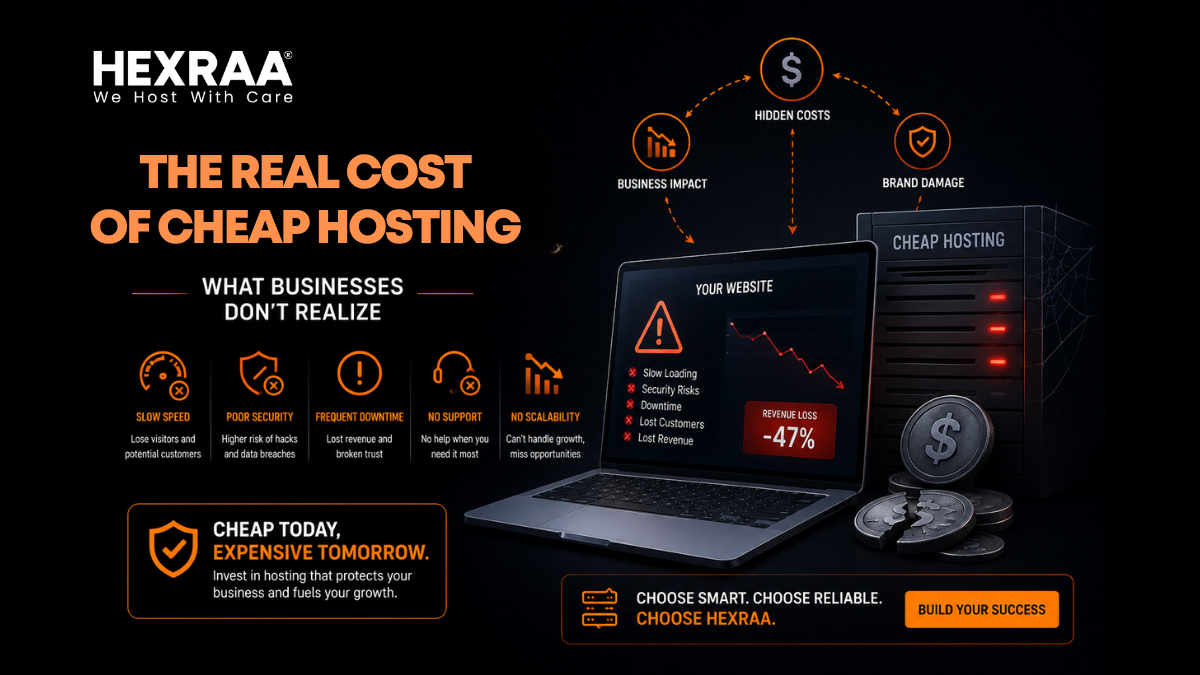
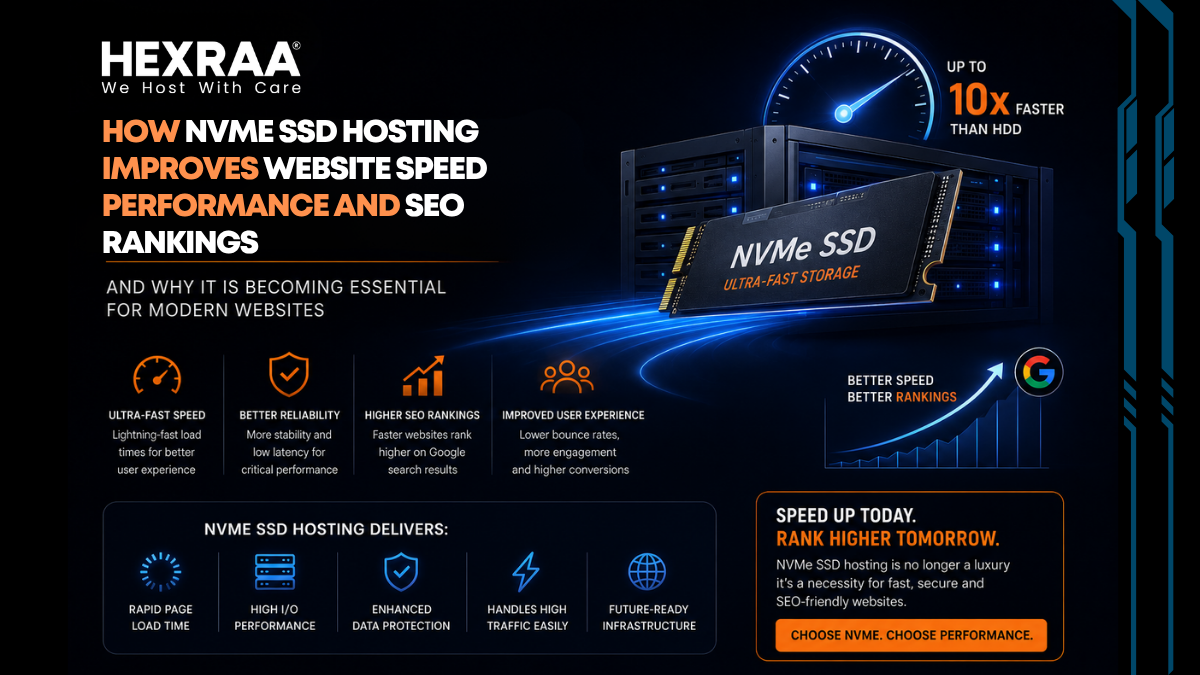
Website speed plays a major role in how users experience your site. Most people expect a website to load within a few seconds. If it takes too long, they will likely leave and go somewhere else.
Slow loading can happen due to limited server resources, too many websites sharing the same server, or poor hosting performance.
Even if you optimize your images, reduce file sizes, and clean up your code, your site may still be slow if your hosting plan is not strong enough.
Why this matters: A slow website can reduce user engagement, lower your conversion rates, and negatively affect your ranking on search engines like Google.
- Your Website Goes Offline Frequently
Downtime means your website is not available to visitors. While occasional downtime can happen, frequent outages are a serious problem.
This usually happens when servers are overloaded, bandwidth is limited, or the hosting infrastructure is not reliable.
If users try to visit your website and find it unavailable, they may not return.
Impact: Frequent downtime can damage your brand reputation, reduce trust, and lead to lost traffic and revenue.
- Your Website Traffic Has Increased
An increase in traffic is a good sign. It means your website is growing and attracting more visitors. However, more traffic also means more demand on your server.
If your hosting plan cannot handle the increased load, your website may slow down or crash.
Shared hosting plans often have limits on CPU usage, memory, and bandwidth. Once you go beyond these limits, performance drops quickly.
Upgrading your hosting ensures your website can handle higher traffic without affecting speed or user experience.
- You Are Running Out of Storage Space
Every website needs storage for files such as images, videos, databases, and backups. As your content grows, your storage needs increase as well.
If you start receiving warnings about storage limits, or you cannot upload new content, it is a clear sign your plan is too small.
Some website owners try to manage this by deleting old files, but this is only a temporary solution.
Why this matters: Limited storage can stop you from adding new content and expanding your website, which can slow down your growth.
- Security Concerns Are Increasing
Website security is more important than ever. Basic hosting plans often come with limited security features, which may not be enough as your website grows.
If you are experiencing malware attacks, suspicious activity, or security warnings, your hosting plan may not be providing enough protection.
Better hosting plans usually include features such as advanced firewalls, automatic backups, malware scanning, and SSL certificates.
A secure website protects your data and builds trust with your visitors.
- You Need More Control and Flexibility
As your website becomes more advanced, you may need more control over your hosting environment.
Basic hosting plans often limit what you can do. For example, you may not be able to install custom software or change server settings.
If you want to use advanced tools, run custom applications, or improve performance through configuration changes, you may need to upgrade to VPS or dedicated hosting.
More control allows you to customize your website and improve its performance based on your needs.
- Your Hosting Provider Suggests an Upgrade
Sometimes your hosting provider will notify you that your website is using too many resources. This can include high CPU usage, memory limits, or bandwidth overuse.
While it may seem like they are trying to sell you a higher plan, these recommendations are usually based on real data from your website usage.
Ignoring these warnings can lead to reduced performance, slower loading times, or even temporary suspension of your website.
Taking action early can help you avoid bigger problems later.
What Happens If You Do Not Upgrade
If you continue using a hosting plan that no longer meets your needs, your website may face several issues. These include slow performance, frequent downtime, poor user experience, and increased security risks.
Over time, this can lead to lower search rankings, fewer visitors, and reduced revenue. Your website may stop growing or even start losing progress.
Upgrading at the right time helps you avoid these problems and keeps your website running smoothly.
How to Choose the Right Hosting Plan
When upgrading your hosting, it is important to choose a plan that matches your current needs and future goals.
VPS Hosting
VPS hosting offers more resources and better performance than shared hosting. It also gives you more control over your server. This option is suitable for growing websites that need better stability and speed.
Dedicated Hosting
Dedicated hosting gives you an entire server for your website. This means maximum performance, high security, and full control. It is ideal for large websites with high traffic.
Cloud Hosting
Cloud hosting is flexible and scalable. It allows you to increase or decrease resources based on your needs. You only pay for what you use, which makes it a good option for websites with changing traffic levels.
Choosing the right plan depends on your website size, traffic, and long term goals.
Final Thoughts
Upgrading your hosting plan is not just about fixing current issues. It is about preparing your website for future growth and success.
If you notice slow loading speeds, frequent downtime, increasing traffic, or security concerns, it may be time to upgrade. A better hosting plan can improve performance, enhance security, and provide a better experience for your visitors.
Think of hosting as the foundation of your website. A strong foundation supports growth and stability, while a weak one can hold your website back.
FAQs
- How do I know if my hosting plan is too small?
If your website is slow, crashes often, or shows warnings about resource limits, your hosting plan may not be enough. - Will upgrading hosting improve website speed?
Yes, upgrading gives your website more resources, which improves loading speed and overall performance. - Is upgrading hosting expensive?
The cost depends on the plan, but it is usually worth it if your website is growing or generating income. - Can I upgrade hosting without downtime?
Most hosting providers offer smooth upgrades with little or no downtime if done properly. - What is the best hosting for growing websites?
VPS or cloud hosting is usually the best choice because it offers flexibility and better performance. - How often should I review my hosting plan?
It is a good idea to review your hosting plan every 6 to 12 months or whenever your website grows. - Can I downgrade my hosting later?
Yes, most providers allow you to downgrade if your needs change.