Why Website Speed, Uptime, and Security Matter More Than Ever for Small Business Websites
In today’s digital first business environment, your website is more than just a marketing tool it’s the foundation of your brand, customer relationships, and revenue potential. Whether you operate a neighborhood café, an online boutique, or a professional consultancy, your website shapes how customers perceive your credibility, efficiency, and reliability.
However, simply having a website isn’t enough. For genuine growth and sustained success, three critical pillars speed, uptime, and security must work together seamlessly. These aren’t optional technical add ons; they’re now vital business investments that define how well your website performs, how much trust it earns, and how effectively it drives results.
1. Website Speed: The First Impression That Shapes Customer Decisions
Why Speed Is a Business Priority
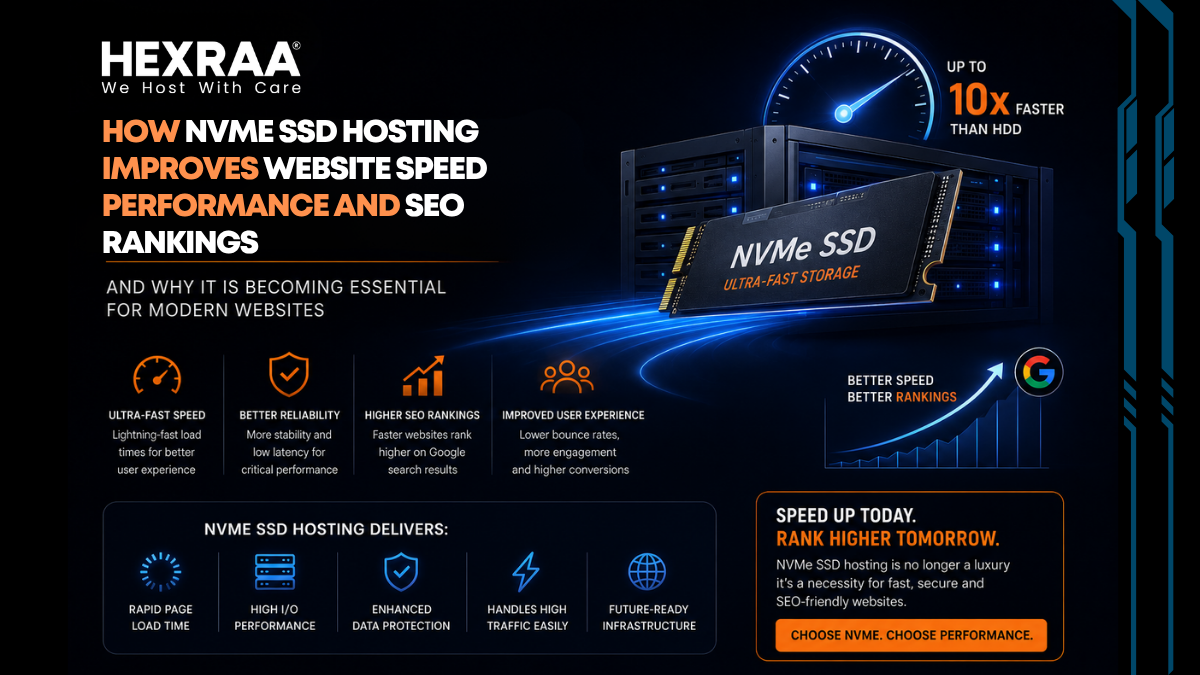
Website speed measures how quickly your pages load and how swiftly visitors can interact with them. With modern customers expecting instantaneous access typically within two seconds every delayed second impacts engagement and conversions. A sluggish site can send a potential buyer straight to a competitor.
Research shows that users form impressions of a website within milliseconds. If your site hesitates, that moment can translate into lost credibility and missed revenue opportunities. For small businesses, that difference can decide whether your marketing campaign succeeds or underperforms.
The User Experience Connection
Fast-loading websites offer a frictionless browsing experience. Visitors can search products, read reviews, or contact you without feeling frustrated. Slow sites, on the other hand, often lead to:
Higher bounce rates and brief session durations.
Lower engagement with content and calls to action.
Fewer completed purchases or inquiries.
Think about how you behave online if a webpage drags, you don’t wait patiently; you exit. Your customers are no different.
SEO and Visibility Benefits
Search engines such as Google now prioritize speed as a major ranking factor. A quicker site increases your visibility, introduces your brand to new audiences, and enhances mobile performance a critical advantage as mobile browsing dominates global traffic. The benefits include:
Boosted SEO rankings and impressions.
Improved mobile usability and reduced data strain.
Higher organic traffic, which strengthens digital reach.
Speed Optimization Techniques
You can improve load time through several simple yet effective practices:
Compress and optimize images and videos.
Choose a high quality hosting provider that supports fast web servers.
Use browser caching to reuse frequently loaded data.
Reduce unnecessary plugins, bulky code, and overlapping scripts.
Implement a Content Delivery Network (CDN) to distribute data globally and reduce latency.
2. Website Uptime: Staying Accessible 24/7
Understanding Uptime
“Uptime” refers to how consistently your website is online and functioning as intended. Ideally, your uptime rate should be 99.9% or higher, meaning your website is available virtually all the time.
Why High Uptime Is Vital
Picture a customer eager to purchase your product but when they click your website, it’s unavailable. They not only abandon the sale; they might doubt your reliability and choose a competing brand. For small businesses, even short outages can lead to:
Direct revenue loss from missed transactions.
A tarnished reputation that erodes customer trust.
Negative word of mouth and deteriorated search performance.
The Cost of Downtime
A brief site outage might seem harmless, but every minute counts. Beyond immediate sales loss, downtime can trigger reputational harm. Customers associate poor availability with unprofessionalism, and search engines track these inconsistencies, lowering your site’s ranking over time.
How Reliability Builds Trust
A website that’s consistently available subtly communicates reliability. Whether your visitors are browsing from Dubai at midnight or London in the morning, constant accessibility strengthens confidence and loyalty. In industries where competition is fierce, dependability becomes part of your brand advantage.
How to Maintain High Uptime
To safeguard availability, follow these strategies:
Invest in hosting providers with robust server infrastructure and proven uptime guarantees.
Set up automated monitoring tools that alert you to outages instantly.
Incorporate redundancy and consistent backups to prevent data loss.
Keep all plugins, software, and databases updated to avoid breakdowns.
Protect against cyberthreats that can crash or overload your servers.
3. Website Security: Protecting Reputation and Data Integrity
Rising Cyber Threats
The number of cybersecurity incidents targeting small companies has surged in recent years. Hackers view smaller businesses as simpler targets, often exploiting outdated software or weak passwords. Thinking “It won’t happen to me” can lead to serious financial and reputational damage.
Why Security Is Essential
Website security shields your business information, customer data, and online transactions from unauthorized access. Breaches can result in:
Theft of sensitive or financial information.
Heavy financial penalties due to data protection laws.
Permanent harm to brand credibility and customer relationships.
Earning Customer Confidence
Modern consumers understand online risk more than ever. If your website doesn’t display security indicators like HTTPS encryption or recognized safety badges visitors may quickly abandon their shopping cart. Security signals such as SSL certificates, firewalls, and secure payment systems reassure users that their trust is well placed.
SEO and Security Relationship
Search engines now label non-secure websites as unsafe. Sites that lack HTTPS encryption are flagged as “Not Secure,” causing users to exit before engaging. A secure website helps your SEO in two ways: it avoids penalties and encourages longer user sessions both critical for ranking success.
Strengthening Security Measures
To build a resilient digital perimeter:
Install a verified SSL certificate to enable encrypted communication.
Use strong authentication methods and regularly change passwords.
Schedule updates for plugins, software, and backend systems.
Conduct periodic vulnerability scans and penetration testing.
Add firewalls, malware protection tools, and frequent automated backups.
4. How Speed, Uptime, and Security Work Together
Each pillar contributes individually to success, but when combined, they create a powerful synergy.
Enhanced User Experience
Visitors enjoy smooth browsing when pages load quickly, remain online without interruption, and display visible security assurances. Such experiences drive measurable results:
Longer session times.
Higher conversion rates.
Increased return visits and referrals.
Influence on Growth
Fast websites convert more effectively, reliable uptime guarantees constant opportunity, and strong security amplifies customer trust all feeding directly into your revenue stream and digital reputation.
Competitive Edge
In 2026, many small businesses still overlook basic website optimization. By investing early in these three areas, you stand out in search results, gain higher customer satisfaction scores, and reduce tech-related expenses over time.
5. Why These Elements Matter Even More in 2026
Global Digital Expansion
Competition online continues to rise as entrepreneurs worldwide embrace e-commerce and virtual services. Customers now expect excellence across all dimensions loading speed, secure checkout, and reliability making performance your most crucial differentiator.
Elevated Consumer Expectations
Mobile-first users want instant, uninterrupted access and transparent data protection. Even a minor lag or security warning can cause irreversible bounce rates. Meeting these expectations defines whether your digital presence grows or fades.
Search Engine Advancements
Google’s evolving algorithm places stronger weight on real world user experience signals. Metrics like Core Web Vitals now measure loading speed, visual stability, and interactivity accuracy, directly tying speed and reliability to SEO outcomes.
The Shift Toward Digital Transactions
In a world increasingly shaped by digital payments and AI powered customer interactions, downtime or insecurity doesn’t just affect sales it erodes customer confidence across channels, from social media to email campaigns.
6. Practical Steps for Small Business Owners
Improving your website performance doesn’t require advanced technical knowledge. Start with these manageable actions:
Conduct monthly audits using free online tools for speed, uptime, and security verification.
Invest in cloud based hosting with scalability options.
Opt for lightweight themes and clean coding to reduce lag.
Ensure your website is mobile responsive across all devices.
Enable HTTPS and regularly renew your SSL certificate.
Install trusted security plugins and automated monitoring software.
By taking small, consistent steps, you build long term credibility and protect your business against common online challenges.
Conclusion
In 2026, website speed, uptime, and security are not merely technical concerns they’re strategic business priorities. A fast website keeps customers interested. High uptime ensures round the clock accessibility. Strong security safeguards your data and cultivates trust.
Together, these pillars create an online presence that drives sustainable growth, strengthens SEO, and enhances your digital reputation. For small businesses striving to compete and thrive, optimizing these fundamentals is one of the smartest investments you can make this year.
FAQ Section
1. Why is website speed so important for small businesses?
Fast loading times improve user experience, boost SEO rankings, and increase conversion rates. Every second saved translates to higher engagement and better sales performance.
2. What uptime percentage is considered strong?
Aim for at least 99.9% uptime, ensuring your business remains accessible almost continuously and minimizing lost opportunities.
3. How does website security influence SEO rankings?
Search engines reward sites with HTTPS encryption. Websites that lack security are often downgraded or flagged, discouraging potential visitors.
4. Can slow website performance affect sales?
Yes. Even a one second delay can drastically reduce conversions and customer satisfaction, leading visitors to exit before completing purchases.
5. How can business owners check speed and uptime effectively?
Use tools such as Google PageSpeed Insights, GTmetrix, Pingdom, or UptimeRobot. These services highlight weaknesses and recommend improvements.
6. What’s the simplest way to improve website security?
Start with SSL implementation, update software regularly, use strong passwords, and install a reliable firewall or comprehensive security plugin.
7. Do small businesses really need advanced website protection?
Absolutely. Small enterprises are prime targets for attacks. Even basic security practices like frequent backups and malware scans can prevent serious breaches.