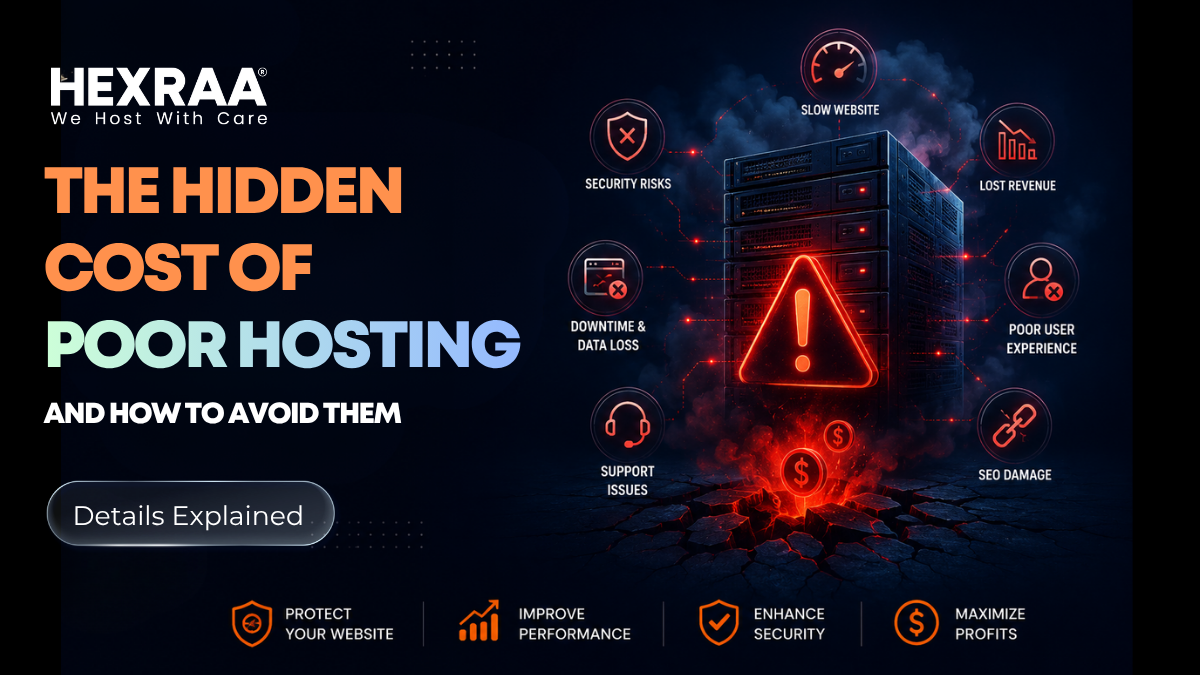
The Hidden Costs of Poor Hosting and How to Avoid Them (Complete Guide)
Introduction
When launching a website, people often concentrate on its design, content, and branding. Hosting, on the other hand, is usually treated as a quick technical step, something to pick without much thought. Yet, the truth is that your web hosting provider quietly determines your website’s success.
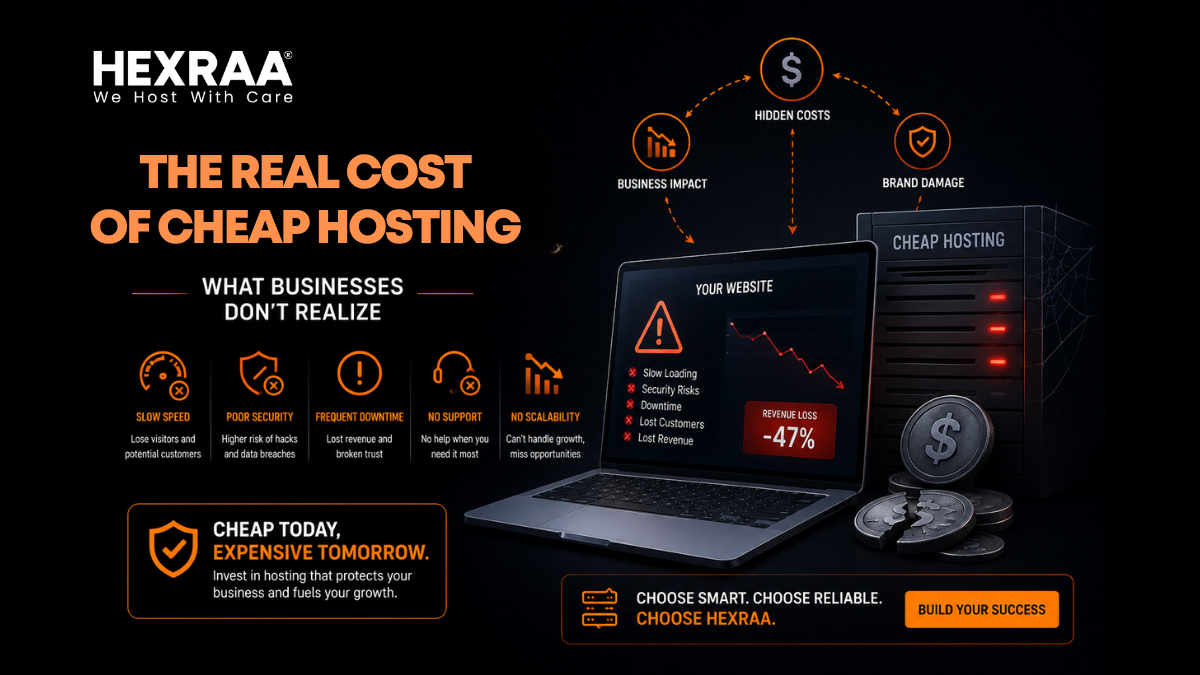
A bad hosting service is like building a beautiful store on a shaky foundation. On the surface, everything may look fine, but beneath it lies a fragile structure that can collapse when you least expect it. Poor web hosting doesn’t only cause a slightly slower website; it can lead to lost sales, falling search rankings, weak security, and long-term brand damage that is costly to repair.
Let’s explore the hidden costs of poor hosting and learn how to protect your website and your business before these problems start draining your profits.
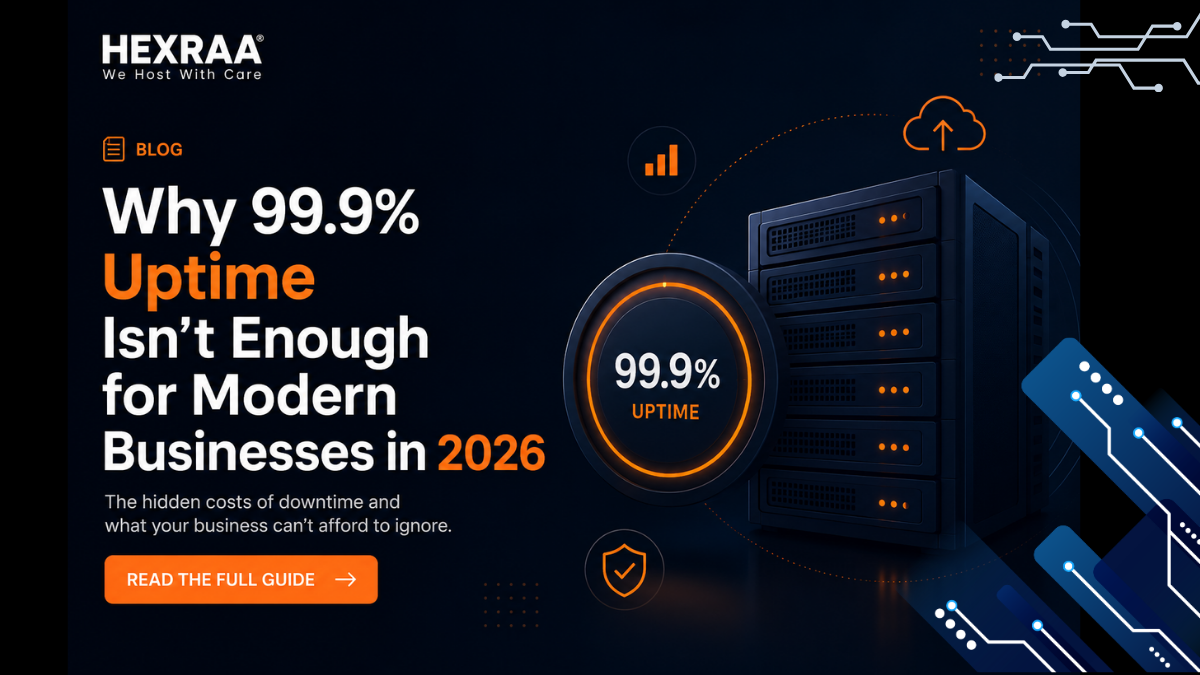
1. Lost Revenue from Downtime
Every moment your website is unavailable, you are losing potential income and trust. Downtime can strike at the worst possible times, such as a product launch or a peak shopping hour.
If your website crashes during a marketing campaign, the result is not just a drop in traffic but also a loss in real sales opportunities. A few minutes of downtime for an eCommerce site can translate into hundreds or even thousands of dollars in missed revenue. Worse, customers may not return after a bad experience.
The Hidden Cost:
Missed sales and lost revenue
Damaged customer confidence
Negative perception of your brand
People expect websites to run smoothly at all times. If yours doesn’t, they will simply move to a competitor that does.
2. Slow Website Speed Equals Fewer Conversions
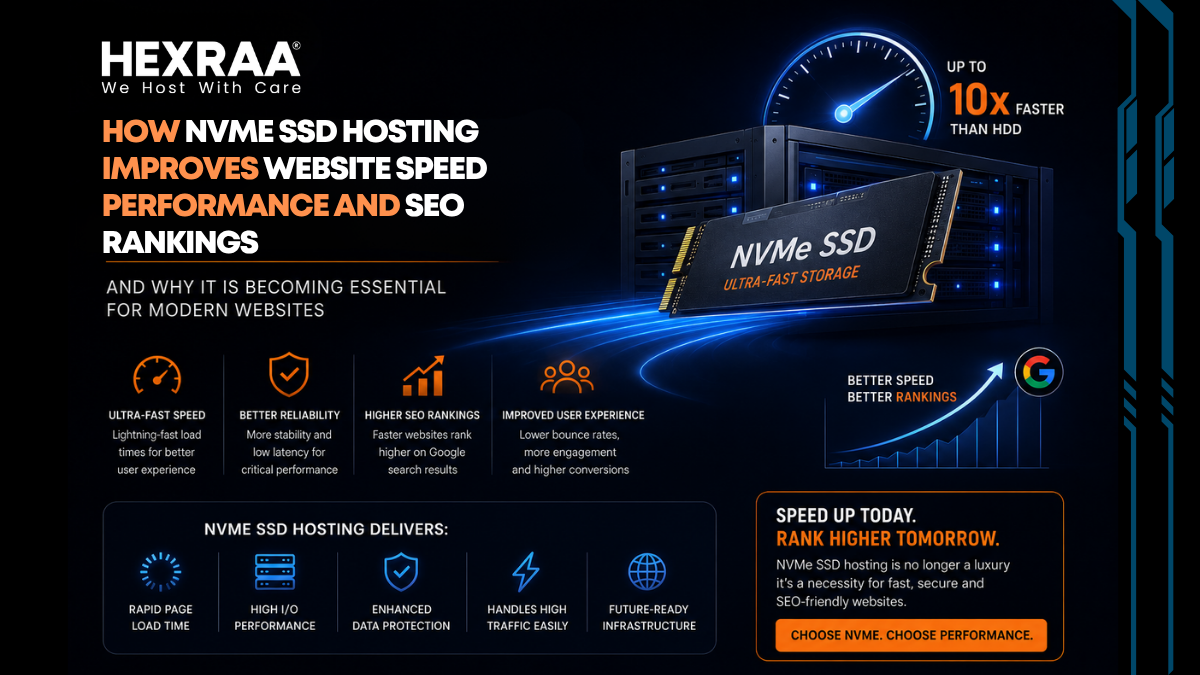
In today’s digital world, speed is everything. A slow website can turn visitors away within seconds. Studies show that most users abandon a site that takes more than three seconds to load.
Even a one-second delay reduces conversions significantly. All the money spent on ads, SEO, and marketing efforts becomes useless if the hosting server cannot deliver your pages fast enough.
The Hidden Cost:
Higher bounce rates and lower engagement
Reduced conversion rates and sales
Wasted marketing investments
For example, imagine a clothing store with perfectly targeted social media ads. If customers visit the site but it struggles to load images or checkout pages, they will lose patience and leave before buying anything.
3. SEO Damage That Goes Unnoticed
Search engines prioritize websites that offer a smooth and reliable user experience. Poor hosting affects both website speed and uptime, two vital ranking factors for search algorithms.
When your site is slow or frequently unavailable, search engines lower your visibility without obvious warning. You may notice your rankings drop gradually, and the connection to poor hosting often goes unnoticed until significant organic traffic is lost.
The Hidden Cost:
Decline in search rankings
Lower organic traffic and fewer leads
Weakened long-term growth potential
In short, poor hosting not only harms your site’s performance today but also your search presence and revenue tomorrow.
4. Security Threats and Data Breaches
Cheap or unreliable hosting often sacrifices security to cut costs. Without solid protection measures, your website becomes vulnerable to hackers, malware, and phishing attacks.
The consequences of a data breach can be devastating. From stolen customer information to financial loss and even legal action, the aftermath of weak hosting security can hurt your reputation permanently.
The Hidden Cost:
Loss of customer trust and loyalty
Legal penalties and compliance issues
Expensive recovery, repairs, and reputation management
Remember, it is far cheaper to invest in secure hosting than to clean up after an attack.
5. Limited Scalability
As your business expands, you’ll attract more visitors. However, poor hosting may struggle to handle rising traffic volumes. This limitation often results in downtime, lag, or complete crashes during high traffic periods such as holidays or product launches.
The Hidden Cost:
Missed opportunities during growth
Poor user experience during busy periods
Costly urgent upgrades or migrations
Growth should be exciting, not stressful. Having a scalable hosting plan ensures your website continues to perform as your business evolves.
6. Unreliable Customer Support
When technical problems occur, responsive support becomes your lifeline. Unfortunately, low cost hosting providers often lack well trained support teams, leaving you to deal with long response times and unresolved issues.
The Hidden Cost:
Longer downtime and delayed fixes
Increased frustration and wasted time
Lost productivity and business interruptions
Prompt support is crucial for maintaining your site’s stability. Reliable providers offer 24/7 technical help, which can save your business in a crisis.
7. Hidden Technical Limitations
Some hosting plans appear affordable but hide restrictions such as limited bandwidth, storage, or processing power. These constraints may not be obvious at first but show up once your website gains traction.
The Hidden Cost:
Unexpected upgrade expenses
Bottlenecks that slow down performance
Restrictions on website functionality
In the end, the “low-cost” plan can become far more expensive once you start paying for add-ons, upgrades, and downtime losses.
How to Avoid These Hidden Costs
Knowing the risks is the first step. The next is choosing a hosting provider that prioritizes performance, reliability, and support.
Prioritize Performance Over Price
Avoid judging hosting plans solely by price. A slightly higher fee for a reliable provider often means faster pages, better uptime, and fewer headaches.Check Uptime Guarantees
Choose providers that offer at least 99.9 percent uptime. Anything less risks major disruptions.Look for Scalable Plans
Your hosting should grow with your business. A provider with flexible upgrade options prevents costly migrations later.Evaluate Security Features
Ensure essential protections are included, such as SSL certificates, automatic backups, and malware scanning.Read Real Reviews
Instead of trusting marketing claims, review real customer experiences. This gives an honest picture of performance and support quality.Test Customer Support
Reach out to the support team before purchasing. Their responsiveness and helpfulness reveal how they’ll treat you later.Choose the Right Type of Hosting
Shared hosting: Ideal for beginners or small personal sites.
VPS hosting: Balances cost and control for growing businesses.
Dedicated hosting: Offers maximum performance and flexibility.
Cloud hosting: Scalable and efficient for expanding companies.
Final Thoughts
Web hosting is far more than a technical task. It is a long-term strategic investment in your business success. While low cost hosting may look appealing at first, it often brings high hidden costs in the form of downtime, poor performance, and lost credibility.
Your website is the digital foundation of your brand. Choosing trustworthy, secure, and high performance hosting ensures that your business can grow smoothly and sustainably. Treat your hosting choice as seriously as you treat your business plan, because your online presence is only as strong as the foundation it rests upon.
FAQs
1. How do I know if my hosting affects my website performance?
If your site loads slowly, goes offline often, or struggles with traffic spikes, poor hosting is likely the cause.
2. Is cheap hosting always bad?
Not always. It can work for small projects, but cheap plans often limit speed, support, and security, which can hurt growing businesses.
3. How much should I spend on hosting?
Costs depend on your needs, but think of hosting as a business investment. Spending slightly more for reliable service saves larger costs later.
4. Can I switch hosting providers later?
Yes, but migration can take time and may cost extra. Starting with the right provider avoids future disruption.
5. What type of hosting is best for small businesses?
VPS or cloud hosting usually offers the best balance of speed, scalability, and price for small and mid sized businesses.